Saturday, 16 February 2019

A Fine Day

The day dawned with a touch of frost on the rooftops and silvery sunshine glowing through the thin veil of mist. A fine day was forecast so I caught the train to Royston and commenced putting one foot in front of the other.


These rather ancient dwellings used to be on the ridiculously wide main street which once formed an elongated market place. Over the years the stalls became permanent buildings, infilling the centre of the old street. The other side became the new main thoroughfare while these buildings became stranded in a backwater.


A tree-lined track leads up and on to the chalky ridge behind the town. 


We're soon into a rather odd landscape with elaborate fences and railings. This is home to horses and, judging by the money spent on their accommodation, these must be valuable race-horses.


But most of the land is given over to agriculture and pretty ruthless intensive farming at that. Fields here are huge by British standards and largely dedicated to growing grain crops. Yields per acre are as high as any in the world and this is mostly thanks to chemical fertilizers. 


The path led to a stretch of road walking, but there were wide verges and little traffic and the far reaching views give an impression of being really high. The name of this road that makes you feel happy and high? It's called The Joint. Honest!


I then took to a muddy by-way (a former road which is still legally, but not realistically, open to traffic) past a stretch of woodland before entering the village of Reed.


Despite being near to a main road, Reed seems a place lost in time and an idyllic place to live. Despite its small size it does have a village cricket team - and not just any old village team. Reed Cricket Club won the National Village Cricket Knock-Out Cup in both 2012 and 2017, not bad for a place with a population of around 300.


I trudged onwards along another minor road towards Therfield and found this little pond by the roadside. There was a bench nearby where I sat down for a few minutes and had a drink from my flask. The sun was shining, the birds were singing......why not!


Yes, why not stretch out on the bench and soak up the sun for a while. A Robin was singing in a nearby bush and a Chaffinch was desperately trying to remember the song he sang last year. In the blue sky a Buzzard passed overhead and a little later there was a Red Kite as well. Higher up there was an Easyjet aeroplane too! Difficult to believe this is mid-February.


Eventually I gathered sufficient resolution to press on across the fields back towards Royston.


You might expect that this sea of modern agriculture would host very little bird-life, but in fact Skylarks were singing on high for most of the day, and those Buzzards and Red Kites are obviously finding something on which to feed.


The reason for such bird-life is somewhat counter-intuitive: it's probably because this land is also used for shooting Pheasant and Partridge. Small areas are left to provide cover for the gamebirds and feed is provided for them. Other smaller birds are lucky enough to benefit from this without running the risk of being shot at.

All that remained was a saunter across Royston Heath and back into town to catch my train home.

Walker's Log:

     Start: Royston, Hertfordshire 09:50
     End: Royston, Hertfordshire 14:35
     Distance walked: 11 miles (17.5 Km)
     Total ascent 710 ft (216 metres)
            Notable birds: Red Kite, Buzzard, Skylark, Kestrel,Jay, Redwing, Meadow Pipit, and most of the usual suspects.
     Churches: unusually I didn't pass by any churches on today's route.
     People with dogs: 2
     People just enjoying a walk: 5
     Cyclists: 0
     Horse riders: 0


Take care.


Tuesday, 12 February 2019

February's Garden


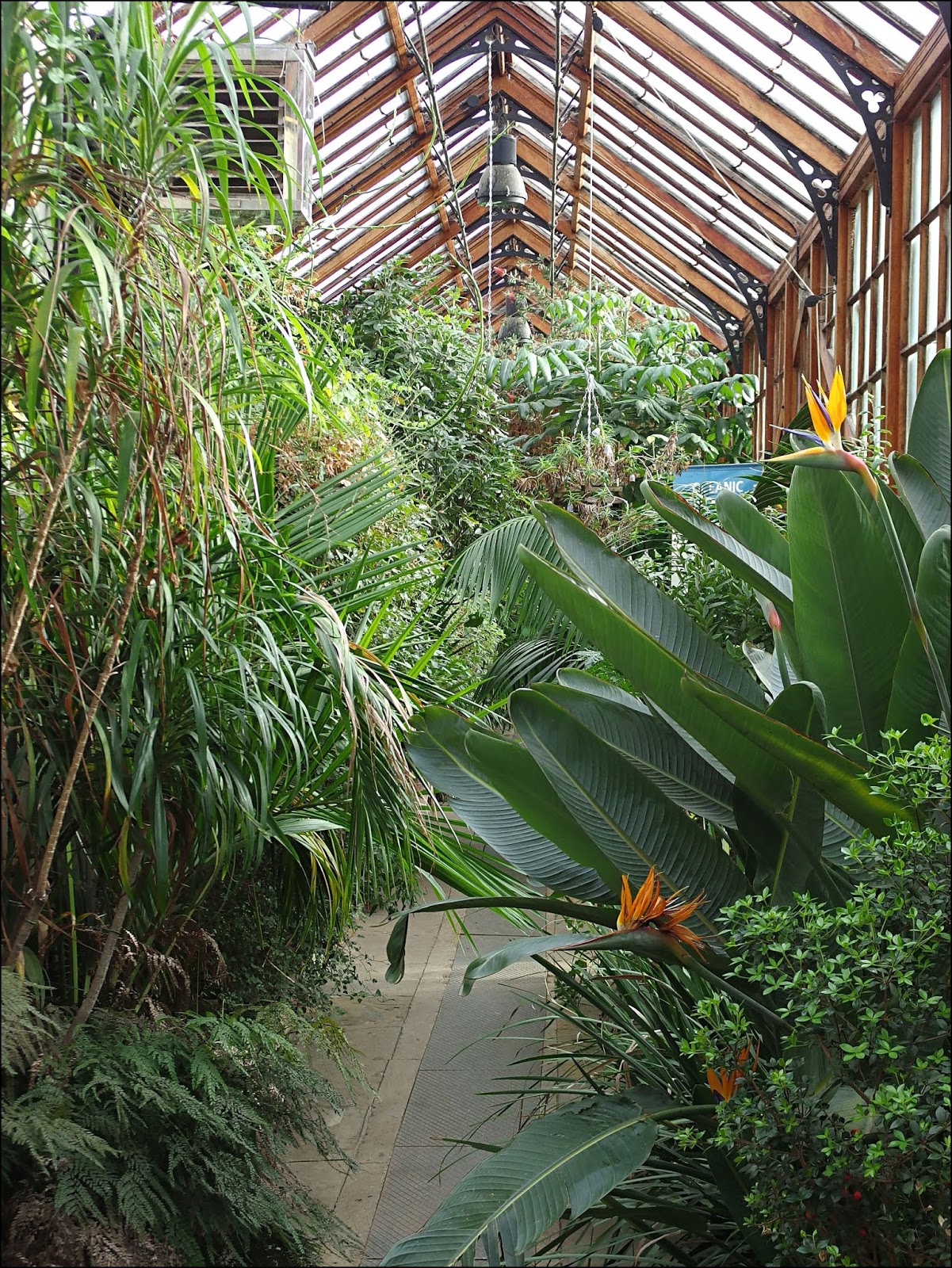
February can be a bit chilly in the garden, but refuge can always be found in the Glasshouse Range at the Cambridge University Botanic Garden. The glasshouses are arranged with various bays to house plants from different parts of the globe, all kept at the correct temperature and humidity for the plants to thrive. 

The Corridor


This is the corridor which links the different bays. As you can see there are many plants making their homes here and they, rather grudgingly, allow access to the intrepid explorer.


Continents Apart


The first bay we come to is dedicated to plants from South-West Australia and Southern Africa, two of the richest and most diverse botanical areas of the world.


Oceanic Islands


Plants arrived on isolated islands when their seeds were carried on ocean currents, by the wind, or by birds. Once established they then followed their own evolutionary course, over thousands of years, diverging from the mainland species from which they descended. 


Mountains


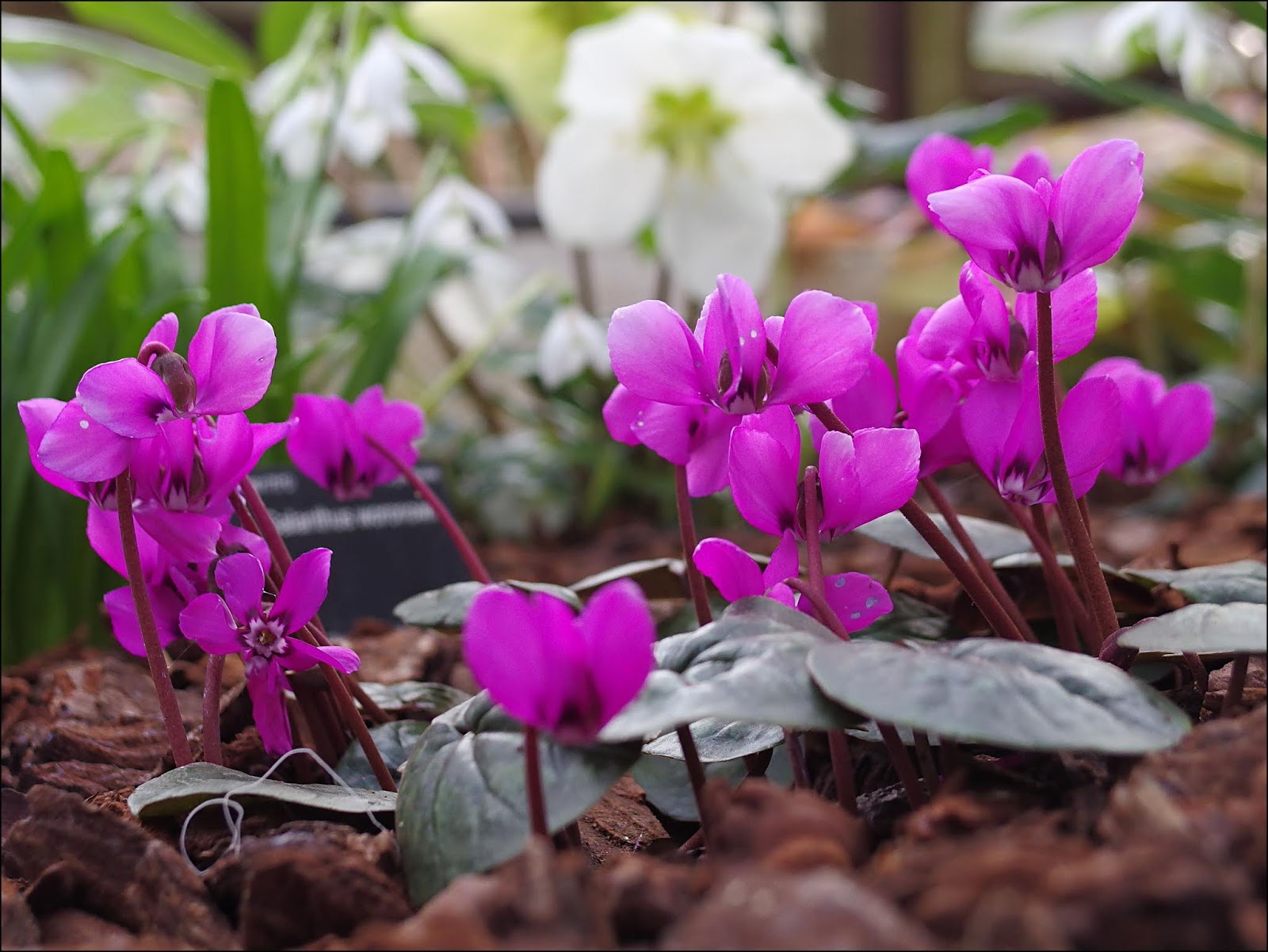
In here all is cool and calm. These mountain plants are small, neat and colourful - and some of my favourites.


Tropical Rainforests


The central part of the Glasshouse Range is taller and more spacious, as it attempts to enclose the rampant growth of the rainforest plants. Children love being "in the jungle" and a few junior botanists were in attendance this morning. Meanwhile a much older photographer was trying to prevent the lens fogging up in the warm, humid air.


Tropical Wetlands


No respite from the humidity in here! Besides the rampant greenery there was also this striking Bromeliad in flower.


Arid Lands


The final bay contains plants from deserts including many types of cacti. Then you can either go directly back out to the garden, or you can fight your way back through the plants in the connecting corridor.


Take care.


Wednesday, 6 February 2019

The Fair-Maids Of Frog End


If you should ever find yourself in the village of Shepreth, - which is pretty unlikely for most of you, I know - and more particularly in that part of it called Frog End, then look out for a footpath leading off at an angle from the road. As footpaths go this one is pretty useless, as it takes you through a field, then back to the same road you've just left. Not only that but it crosses a field that is often occupied by a large bull. It's not a popular route.


But between the road and the bull pasture there's a small (very small) triangular wood. And that's where the fair-maids hang out at this time of year.


Yes, February Fair-maids is just another name for Snowdrops and this little wood has more than its share of them.


It's an odd plant in that no one is really sure if it's a native British species or not, though they certainly look as natural as any wild flower and they seem to thrive in our climate.


The thing that makes botanists doubt their natural occurrence is that they hardly ever spread by producing seed, but mostly by subdividing as bulbs. There's just not enough insect life around to pollinate them in February.


They have long been regarded as symbols of purity by the Catholic Church, and many places where snowdrops are plentiful were the sites of old nunneries and priories. As these were abolished during the reign of Henry VIII the snowdrops have certainly been on these islands for many centuries.


This little wood though has been planted more recently. A small sign tells us that it's called Caroline's Corner and was planted in December 1987. More than that I can not tell you.


There are Winter Aconites here too. They are certainly not native to these shores, coming from Southern Europe, but have escaped from gardens and have made themselves very at home in our woodlands.


In Suffolk they are sometimes known as "Choirboys" from the collar of greenery surrounding the flowers like choirboys' ruffs. Fair-maids and Choirboys it is then.


Take care.


Monday, 4 February 2019

In Praise Of Old Wood

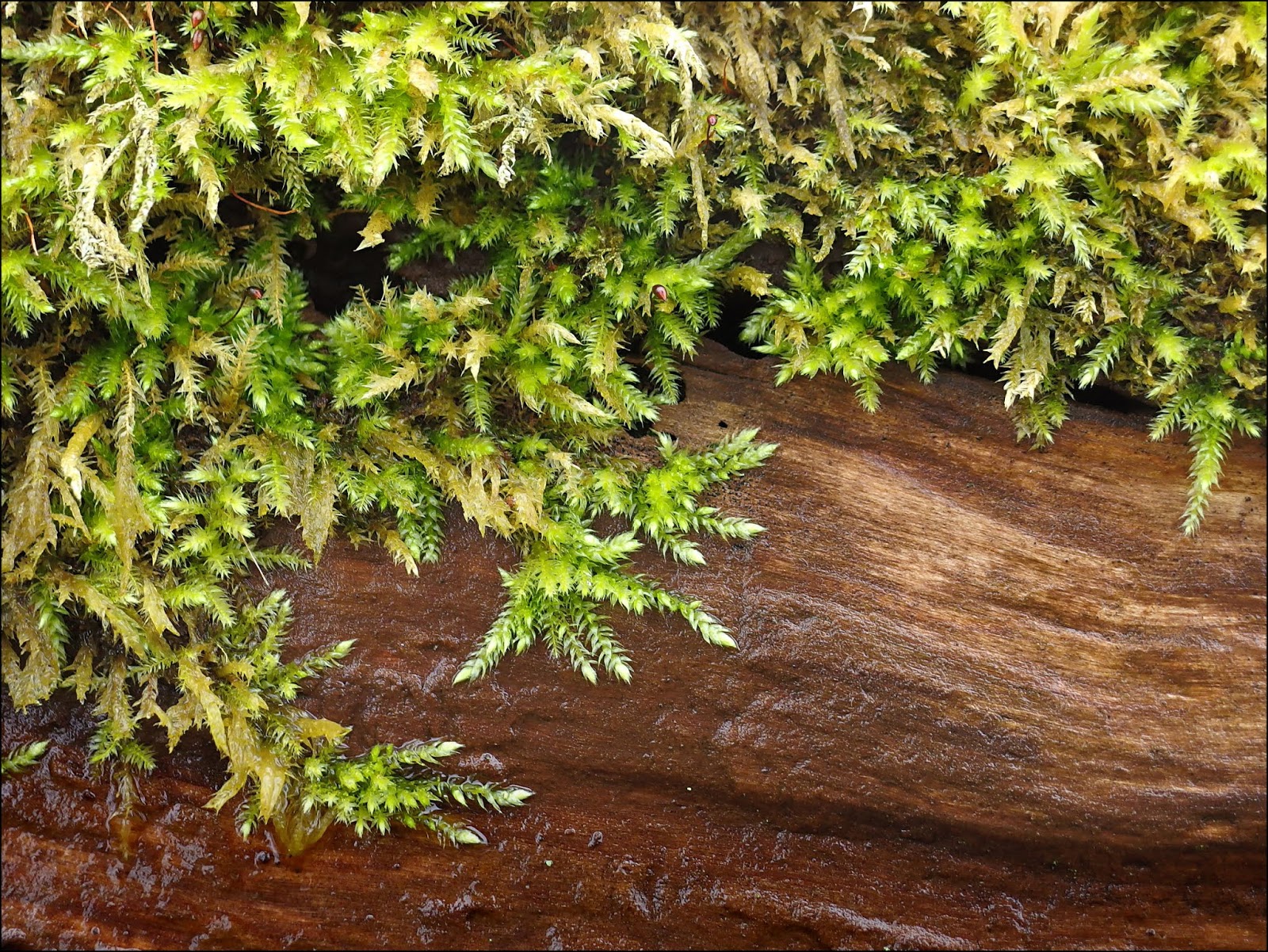
The snow and frost departed this morning, leaving in their wake muddy paths, wet grass and puddles. As I slithered along the forgotten lane I spied an old friend still lying on the field-edge. This old tree has been here for several years and is slowly returning to the earth from whence it came. At some time men came with saws and removed some of the branches, but they abandoned the task and left the bulky trunk behind. Now it's home for beetles and spiders. Various fungi have moved in and increasingly plants are growing from the decaying wood.

I made some photos of its contorted, rotting form some years ago and couldn't resist having another go today. Here are a few photos - intimate portraits or small landscapes - of old wood.


As you can see from some photos someone has tried to set fire to part of the old tree at some time but they've scarcely made any impression other than blackening some of it. If I remember I'll try to come back in Summer to see just what plants have managed to colonise the old wood.


Take care.


Friday, 1 February 2019

On A Winter's Morn

On Thursday morning the thermometer read -6 degrees C, fairly mild compared with the havoc being wrought by the Polar Vortex elsewhere in the world, but cold enough to add a sparkling frost to the remains of Wednesday's light snowfall. The low sun angled through the trees and illuminated the mist rising slowly from the little chalk-stream. Here are some suitably wintry scenes - and a hint of optimism in the last shot. Maybe Spring is on its way after all.


Take care.