Sunday, 15 January 2012

Dance Away The Good Times

Time for a song. A rather silly one just made up for fun.

It's a Friday night, it's a tidy night
To step out hand in hand
To have a ball at the old church hall
With Mr Jackson's band
The sound of his accordion
It is my heart's delight
And the finest girls in all the world
Will all be there tonight

So dance away the good times
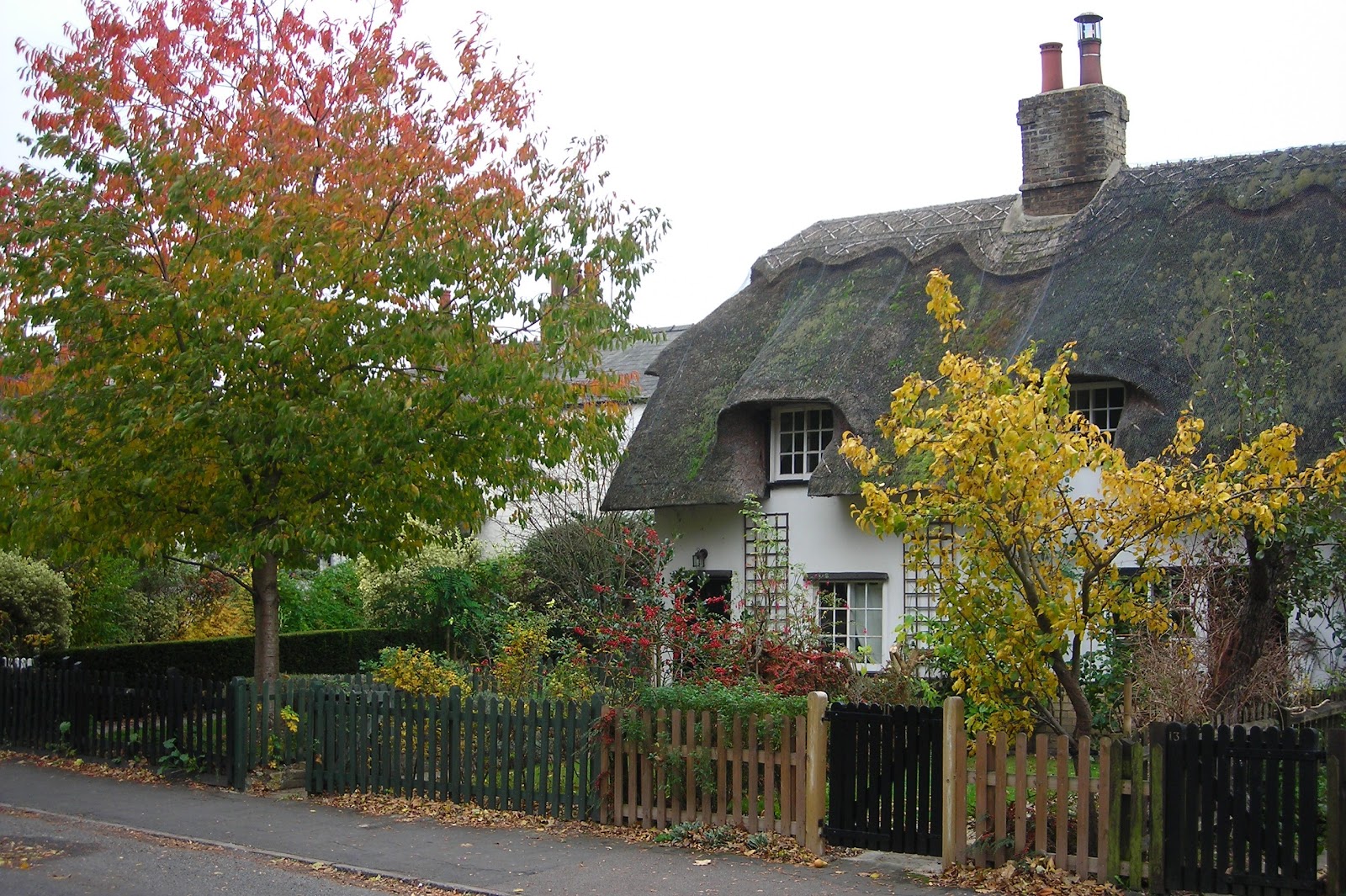
While the moon shines down upon the frosty fens
Warm in the arms of a handsome boy
Until the music ends

Little Amy Robinson
She hurries home from school
To try on her new party dress
She shines just like a jewel
With mother's bracelets on her wrist
And ribbons in her hair
Oh me oh my, she'll make em fly
As soon as she gets there

So dance away the good times
While the moon shines down upon the frosty fens
Warm in the arms of a handsome boy
Until the music ends

And Suzy girl she's a crazy girl
How she loves to dance
She sets on fire the coldest heart
With just a fleeting glance
And the fiddler's going frantic
And the calling's all awry
For the tambourine plays twice as fast
When Suzy's passing by

So dance away the good times
While the moon shines down upon the frosty fens
Warm in the arms of a handsome boy
Until the music ends

Then Mr Smith and Mrs Smith
Can stand and watch no more
Before too long both old and young
Are dancing round the floor
Mrs Smith she likes the boys
She'll dance with all she can
But she keeps one eye on Suzy
When she gets near her old man

So dance away the good times
While the moon shines down upon the frosty fens
Warm in the arms of a handsome boy
Until the music ends

Now Uncle Bert you should see him flirt
With Old Mathilda Grimes
She's quite forgot her poor old back
That gives her gyp sometimes
She says "This beats the bingo
And the over-sixties club
It sets me all a-tingle 
Like a hot rheumatic rub"

So dance away the good times
While the moon shines down upon the frosty fens
Warm in the arms of a handsome boy
Until the music ends

And good old Granny Whitmore
She's throwed her sticks away
And everyone's still having fun
As the last waltz starts to play
Then the young ones leave in motor cars
With their husbands and their lovers
And the old uns totter down the street
Holding on to one another

So dance away the good times
While the moon shines down upon the frosty fens
Warm in the arms of a handsome boy
Until the music.......


None of the above really happened - though it must have happened thousands of times. It was inspired by a rollicking evening spent at a village dance many years ago. All the characters are people I've known at various times masquerading, in some cases, under different names and turning up, in my imagination at least, at this dance. Mr Jackson is an old friend, a multi-talented musician whose instruments include trumpet, accordion, piano, guitar, whistle, sitar, Northumbrian pipes...you get the picture. Suzy's his lovely wife. Uncle Bert wasn't my uncle but is already known to long-time readers of this blog. All the others are people whom I've encountered along the way.

Some other things might need a little explanation:
'Fridee' rhymes with 'tidee' in Cambridgeshire and tidy means "good" in this context.
'Calling's all awry' - country dances have a "caller" who explains the moves as the dance takes place. Many of the dances are "progressive" ie people change partners during the dance; this was the cause of Mrs Smith's concern!
'Gives her gyp' means 'causes her pain'


Take care.

Saturday, 14 January 2012

Old Friends

                                                                                                                                                                                
Out walking recently I encountered a couple of old friends of this blog....


....the pair of Mute Swans who raised six cygnets last summer. The family have now departed the tender care of their parents - chased off by their father in all probability. But the bright winter sunshine has already turned the thoughts of the parents to this year's brood perhaps; the male was passing choice pieces of weed to the missus when I saw them at Long Meadow.

Long Meadow

The meadow is an old water-meadow, a phrase often used and heard but seldom understood. These riverside meadows were designed so that they could be flooded throughout the harsh winter months. This was excellent news for the many  waders and ducks that flourished on these lands despite the attentions of the wildfowlers. But the real reason for the flooding was to keep the ground just a degree or two warmer, giving the grass an earlier start to its growing season. Interestingly the land on the opposite side of the river is being returned to its former glory, not for duck-shooting or for early pasture, but as a nature conservation area.

To see earlier posts about the swan family click on the 'Swanwatch' label to the right of this post.

Take care.

Friday, 13 January 2012

Signs And Sidetracks

What the.........???

It's the middle of January and even though I'm not sure what kind of tree it is I am quite certain that blossom should not be appearing in mid-winter. I knew the weather was rather confused this year but I didn't realise that Mother Nature been fooled completely.

OK, so I'll go out and see what else is on flower. So I walked down to Byron's Pool -
(visited before on this post)  - but as usual I got sidetracked, I digressed, I wandered....


sunlight on leaves


a promise


of things to come.


water of life,


go with the current


or follow


the grain?


life regenerates


life clings on.

Take care.

Thursday, 12 January 2012

Wicken Fen Revisited

(Apologies to those who sought this post in vain yesterday - gremlins in the system!)

Back in 2009 I kept full descriptive notes of my birdwatching trips. As I had no real reason to write such full accounts the habit soon faded. It does however allow me to make occasional forays into the past from the comfort of a favourite armchair....

"Most people who know the National Trust property at Wicken Fen are familiar with the visitor centre, the boardwalk and the windmill, but the NT have a plan (to be completed in the next 100 years) to extend their holding all the way to Cambridge, buying up farmland whenever it becomes available. They've already acquired a lot of land to the south of the original reserve which is slowly being converted back to a more natural state. Some of this land was on my itinerary for today."


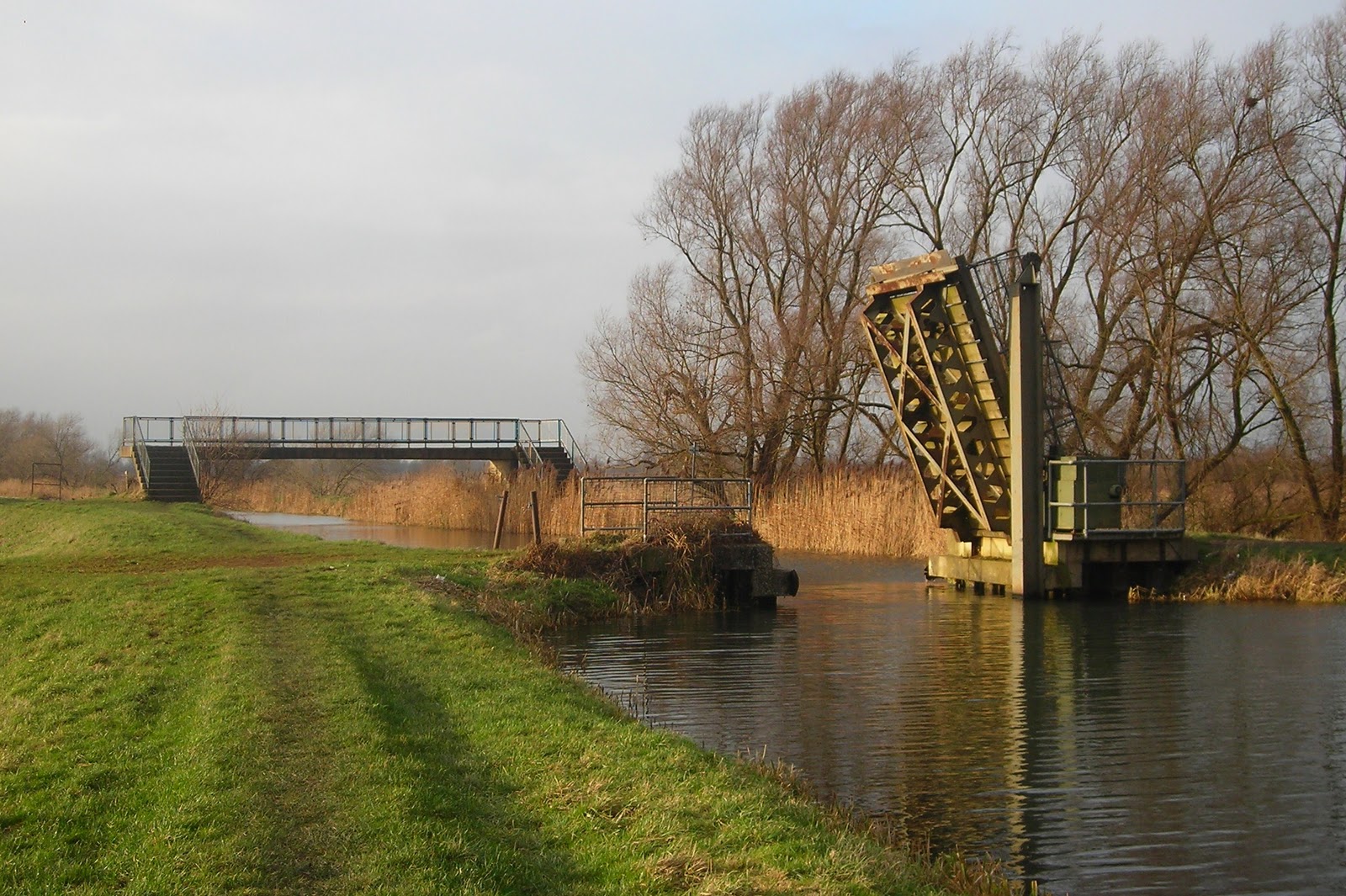
"I crossed the Lode by the delightfully named Cockup Bridge, which does indeed "cock up", in that it can be raised to allow boats to pass beneath. Flocks of Fieldfare were feeding on the wasteland and perched among the bushes as I followed the farm track and passed a lady walking her dogs. Gaps in the hedgerow gave glimpses of Bakers Fen, an area of partly flooded fields which provides a winter home for ducks and wildfowl. As part of the environmental management carried out by the NT a herd of Highland Cattle graze this land and very picturesque they looked steaming in the morning light."

"A rather rough wooden hide stands beside the path and gives shelter and a degree of comfort from which to scan the flocks. I got out my telescope and focused on the birds, mostly Shoveler, Gadwall and Teal. Further over were Lapwing and Golden Plover. From time to time some unseen threat panicked the Lapwing who then set off on a circular flight over the fen before settling once more, with much hesitation and fuss, in their original place. Every time this occurred I peered around the sky hoping it might be a sign that a bird of prey, perhaps a Harrier or Peregrine, would be patrolling but no action today, which disappointed me but suited the birds just fine!"


"To warm up I set off to make a circuit of Bakers Fen. I clambered up on to the muddy bank alongside Moore's Drove and headed north towards Monk's Lode passing through an area grazed by a group of Konik ponies. The path beside Monk's Lode is actually part of a National cycle route so provides rather better underfoot conditions. I looked among the waterside alders in case there were any Siskin present but only Chaffinch were seen and they flew off suddenly as a Kestrel came into view. I sat on some logs to have a cup of tea from my flask, a pair of Swans passed over then a Sparrowhawk flashed by and flew low over the grassland."


"The sky looked brighter as I left the hide and turned along Harrison Drove. I picked my way over some very muddy dips in the drove and walked on to Wicken Lode. A grassy bank curved along next to the lode, reeds whispered in the wind and on the opposite bank cream-coloured Konik ponies grazed among the scrub. A large bird flapped effortlessly towards a small spinney where it settled briefly showing white on its tail - Hen Harrier. But it soon slipped out of sight only to reappear, equally briefly, a little later. It would have been nice to get a better view but I was pleased to have had a sighting of this fine raptor."

"At a place marked as "Pout Hall" on the map a large pool held a number of Coot and Tufted Duck. Then I spotted the Hen Harrier again. It was perched on the remains of a hedge not more than fifty yards away and seemed unaware of my presence. It took to the air and hung suspended on the breeze a few feet above the ground, the afternoon light showed the beautiful barred plumage. It settled again and was surprisingly well-camouflaged among the bare branches. Seconds later it was airborne once more, searching for prey along the hedge, twisting and turning in slow-motion among the bushes."

"Although it was only mid-afternoon the light was already fading so I started to think about heading back. But there was still one surprise left in store. Tramping back to Burwell I noticed what looked like a line of straw stretched across a distant peat-black field, it seemed to shimmer slightly and shone gold in a late shaft of sunlight. I looked through the binoculars to find that it was in fact a flock of three hundred or so Golden Plover."

For an earlier post about this area click here.

Take care.


Sunday, 8 January 2012

Poinsettia And Carmania

On the twelfth day of Christmas......all the decorations have to be taken down, so that was how I spent Friday afternoon. Everything was stowed away in an old suitcase which has since been transferred to the attic.


But what has been left behind are these, Euphorbia pulcherrima, more commonly known as Poinsettia. To the average Englishman - me, anyway - they were nothing to do with Christmas but, gradually, over the last couple of decades they've crept into the picture through the efforts of garden centres and Christmas card designers. My feelings towards them were further damaged by their tendency to drop dead almost as soon as I got them home.


How wrong can you be?
First of all the name - apparently named after Joel Roberts Poinsett, one time United States Minister to Mexico, who first introduced the plant to the USA. He went on to become Minister of War during the presidency of Martin Van Buren. There can't be too many Ministers of War with flowers named after them!


The Christmas connection -  In the plants native Mexico it's called Noche Buena, meaning "Christmas Eve". It's said to owe it's name to a 16th century legend of a young girl who was too poor to celebrate the birth of Jesus but was inspired by an angel to gather roadside weeds and take them to the church. However the adoption of the plant as a symbol of Christmas in the US seems to have required an intensive publicity effort by one Paul Ecke, Jr. who just happened to own the company who grew and sold the plants!


What I've also found out this year is that the huge flowers are not flowers at all but coloured leaves which change colour in order to attract insects to pollinate the true flowers which are insignificant little things in the centre of the red leaves. If you want a Poinsettia to flower for a long time then it's these tiny true flowers that you need to look at; the smaller they are when you buy them the longer your display will last. They tend not to mention that at the garden centre.

Oh, and while I was lifting the decorations into the loft I noticed this sticker on the old suitcase containing them. A reminder of times past.....

....when my Granny went sailing off across the Atlantic in 1965, courtesy of Cunard Lines, to see her daughters and their families, some of whom, by the wonders of our modern world, are  followers of this blog.

Take care.

Friday, 6 January 2012

Winter And The Wild Swans


Wintertime on the flat, limitless fens. Dawn creeps over the bone-hard land, the sun bursts over the horizon like a raking searchlight beam, cutting across the featureless fields. The sparse hedgerows do nothing to impede the cruel, biting wind. Grasses and straggly bushes glisten with frost but the wide, peaty fields are black and lifeless. The few houses and trees are scattered distantly. Yet in that far distance is a horizontal slash of pure white light against the dark earth. 


Or else trudging along a raised riverbank in the thick mist - a distant bugling, perhaps the baying of a pack of foxhounds. A call like the winter wind itself, wild and untameable.

Whooper Swans at Welney
Both the white mirage on the black fen and that ghostly music coming through the mist announce the presence of the wild swans of winter. Whooper and Bewick Swans arriving from 
the high Arctic to winter here in East Anglia, feeding on the sugar-beet tops left on the fields and roosting on the flooded area known as the Ouse Washes. They also supplement their diet with grain provided by the Wildfowl and Wetlands Trust who along with the RSPB manage The Washes as a bird reserve. 

Part of the heated bird-observatory
(Most of the swans in this shot are Mute Swans which also enjoy a feed!)
The WWT site at Welney is provided with a large heated bird-observatory where visitors can watch the swans being fed both during the day and at evening floodlit feeds. A visitor centre and an excellent cafe are also part of the facility.


Although the Ouse Washes are important for wildfowl they are not primarily a bird reserve; their original purpose was to hold flood water during times of high rainfall and prevent widespread flooding on the rest of the fens. As a result water levels can fluctuate which is less than ideal for the birds - or the wardens who have the job of feeding the swans.....

Mute Swans feeding from the barrow
while Whoopers wait their turn
.......meanwhile an informative commentary is given to visitors. Amongst the amazing facts related was the fact that wild swans have been recorded flying at heights of over 20,000 feet. I'm hoping to make a visit to see the floodlit feed before the winter is out but just in case I don't manage to get there here are a few more photos.

Whooper Swans

Feeding in more normal conditions

Pochard
 Take care.

Wednesday, 4 January 2012

A Calendar For 2012


JANUARY

FEBRUARY

MARCH

APRIL

MAY

JUNE

JULY

AUGUST

SEPTEMBER

OCTOBER

NOVEMBER

DECEMBER
Take care.