Sunday, 22 January 2023

From Murkiness To Clarity

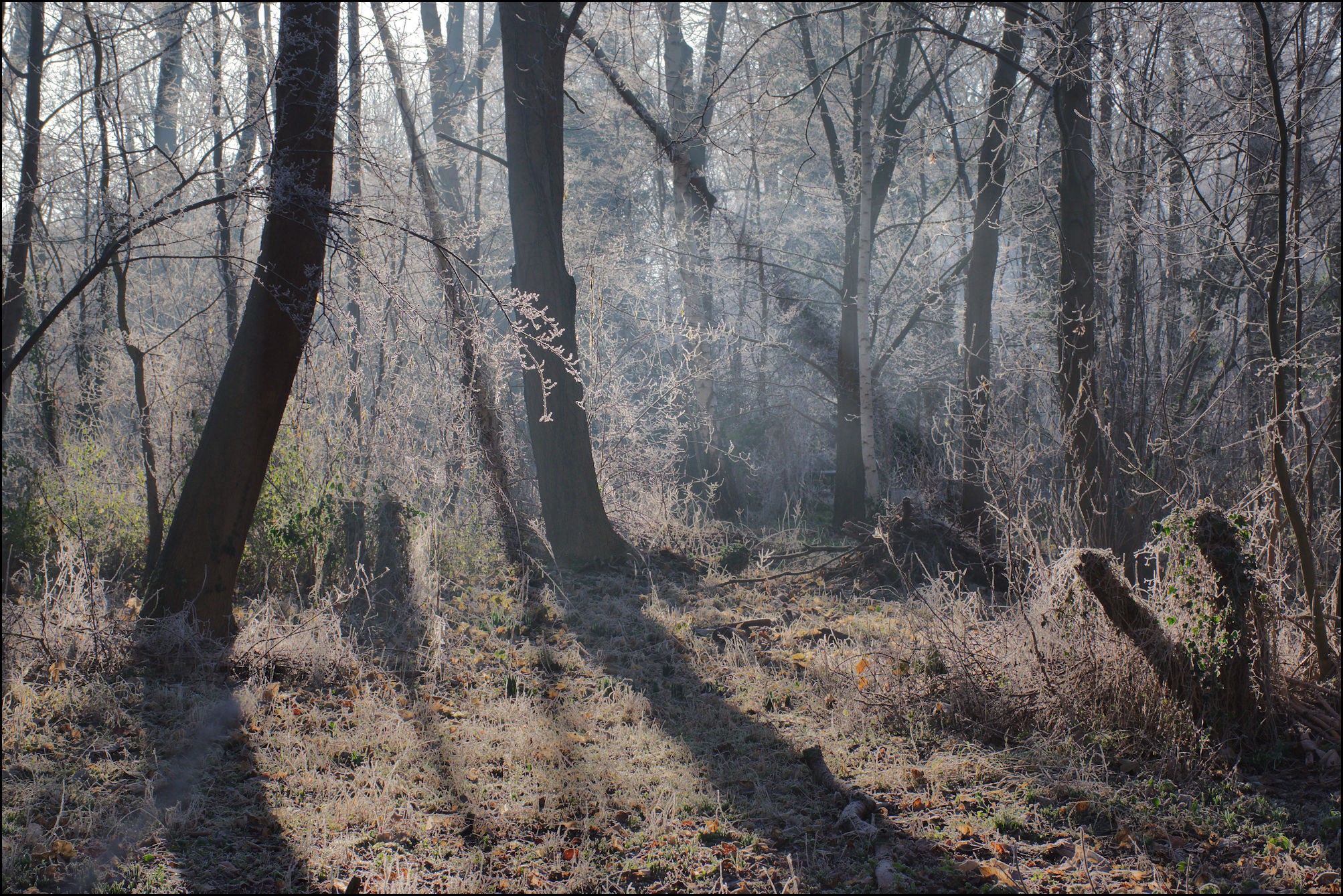
A Sunday morning stroll that began with a misty dawn and gradually transformed into a bright and clear day.


The village street at daybreak.


Early sun dissolving the mist.


An unusual view of the cottage on the corner.


Gnarly roots and leaves.


A rough fence.


The first rays of the sun.


Frosted grasses.


The poplar row.


Hieroglyphics.


Magical Melwood.


Red hot.


Footbridge over the River Mel.


Small ghost threatens to throw half a brick 
at passing photographer!


Take care.

Saturday, 14 January 2023

Away From The Mud

Where to go when you want to escape the mud of this English winter but still want to get out on a walk and see some wildlife? I know the very place.


The Lea Valley on the edge of North London may not seem to most obvious place for a country walk, but at least it has many miles of gravel and tarmac footpaths, though you'll have to put up with the occasional eyesore.


It also has a modern "wildlife discovery centre", with a viewing tower and a bird hide (it all looks a lot more comfortable from inside than from without). And, believe it or not, most winters that rarest and most elusive of birds, the Bittern, takes up residence in the scruffy patch of reeds right outside the windows. Knowing it is there however is an entirely different thing to actually seeing it!


No matter. We can still enjoy this rather attractive piece of art as we make our way along beside the Horsemill Stream. Over the years the Lea Valley has been used for all kinds of human endeavour. The watercourses provided power for early mills and factories, the soil is suitable for market gardening and it once had the largest expanse of glasshouses to be found anywhere in the world.


The valley has always provided a transport corridor with railways, a major road and the River Lee Navigation running through it. There were many large pits dug to extract sand and gravel. A whole host of industries came here and several are still active, mostly electronics and consumer goods. Then there came warehouses and what used to be known as transport but now has to be called "logistics". And of course there's an electricity sub-station and its army of unsightly pylons.


Nowadays large parts of it are given over to nature and recreation of all kinds. Apart from walkers, cyclists, anglers, boaters and those who just like to get outside, there are also facilities for many kinds of sports - even an Olympic Park at the southern end of the river!


Gulls and Rooks enjoy the flooded meadows in wintertime....


...while Mallards can be found paddling around throughout the year. I know they may be common, but you'd have to go a long way to find two handsomer fellows.


Unless perhaps you came across a couple of Mute Swans in the locks along the Lee Navigation.


The whole area is threaded with a confusing tangle of water channels, large and small, all with their own particular beauty. We saw surprisingly few people as we made our circuit of the park, considering how many tens of thousands live within just a few miles - I suspect it's an entirely different story during summer.


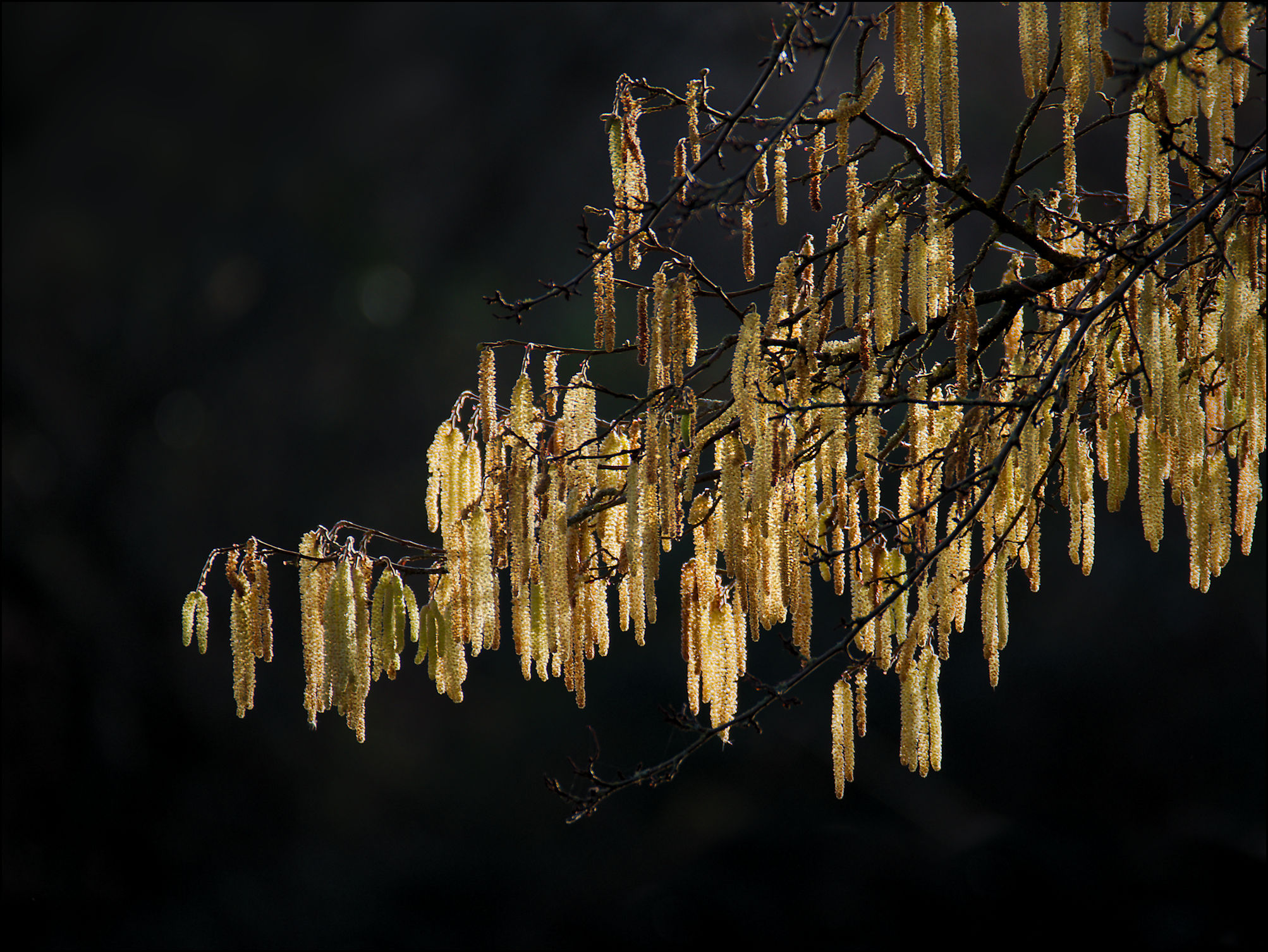
A wealth of golden catkins (for one of my regular readers who always enjoys seeing them). The low winter sun illuminating them from behind gave them an added glow.


A Cormorant watched us as we came near to the end of our morning's stroll - a pleasant mix of natural history, human history, winter sun, conversation and of course hot chocolate. (We never did see that Bittern though).


Take care.


Tuesday, 10 January 2023

Cuckoo Fen


If you wait for the ideal day to go out for a walk at this time of year you may never get out of the house at all. So it was that my brother Les and I drove to the village of Over, on a blustery day, to investigate the recently opened footpath around the southern part of Cuckoo Fen, part of the Ouse Fen project to create a huge reedbed for the benefit of wildlife.


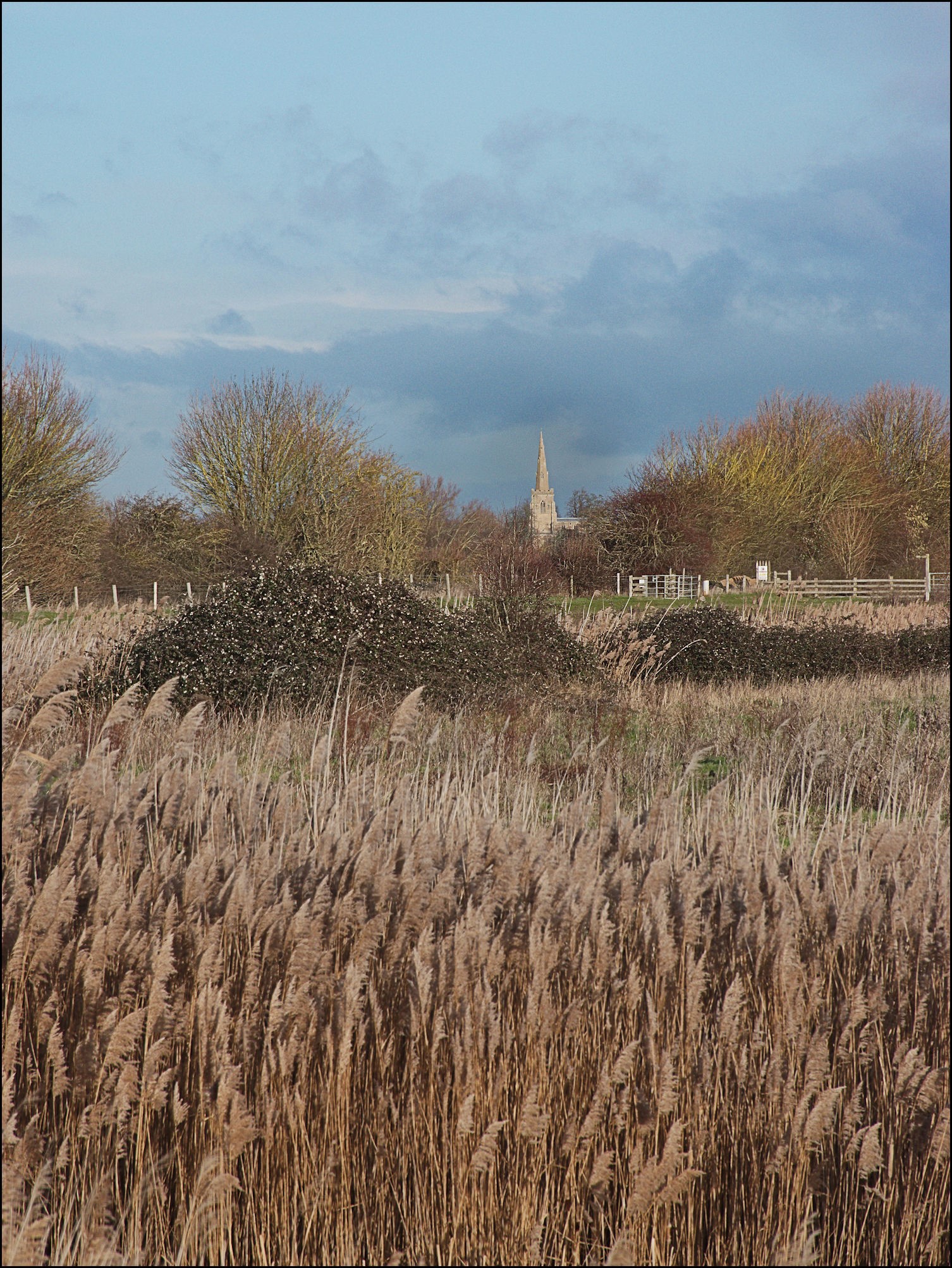
We began in Over itself, checking the church spire which sometimes provides a look-out perch for a Peregrine Falcon, but no luck this morning. Instead my eye was attracted to a decaying door in a building which had obviously once seen better times. 


We turned off the main street along Overcote Road, which passed some attractive houses before the road turned into a farm track.


The land here is only about 4 metres above sea-level, while the village is built on higher ground, between 5 and 15 metres  above sea-level. Such subtle variations in height make all the difference along the fen-edge; they say you can always tell a true fenman because they can point out "hills" which most people can't even see. Bare Hill, just a short distance from here, is named on the map, but doesn't warrant a spot height or even a contour to confirm its presence.


We turned off onto an old track known as Ouse Fen Road. The substantial ditches on either side suggested that it was once an important way. Despite this double-drainage it was still plenty muddy in places. We soon had descended another metre or two, which meant the land was becoming wetter.


We've now reached Cuckoo Fen where a path, of sorts, loops around a body of water of highly irregular shape.


It was probably too windy for many birds to be about, though we saw several species of duck, a large flock of geese and, star of the show, a Great White Egret standing nonchalantly at the water's edge. But we'll have to wait till summer for the Cuckoo to turn up on Cuckoo Fen!  

Ah, here's a convenient bench.....


 Time for a cup of hot chocolate!


This area has an interesting history:
           It was once at the edge of a huge area which flooded every winter (and was mostly fairly waterlogged throughout the rest of the year). This was the original Fenland.
           Then in the seventeenth century there was a huge effort to drain the Fens for agriculture. Despite protests from the wildfowlers, fishermen and reed-cutters, who had traditionally made a living here, great channels were cut across the peat lands to get the water more quickly to the sea.
           More recently the gravels deposited by the River Great Ouse have been exploited and many quarries were excavated.
           During the last few decades as each gravel pit is exhausted it has been returned to nature.


Quarries are still working in the area, but gradually a huge reedbed is being formed. Already many once-scarce birds are making a home here - Marsh Harriers, Bitterns, Egrets, Bearded Tits and so on. 


Those of you who've followed these walks will recognise these Konik ponies which graze the land and help to keep it in good shape. 


Then we turned back and took a different lane leading towards Over.


We were closely observed as we sauntered by. I sometimes think there must be as many horses and ponies in our villages now as there were before we had motorised transport.


Another paddock held some sheep, though they paid us little attention. The black ears, eyes, nose and feet make me think that these are Kerry Hill sheep. They originate from the village of Kerry in Wales, not the Irish Kerry as you might think. They are a heartening success story in that they were once a threatened breed but numbers have increased sufficiently for them to be removed from the at-risk list.


A Mute Swan was cruising around one of the small ponds. 


Every house in the Fens that has Dutch gables has stories about them being houses of the Dutch engineers who oversaw the drainage of the Fens, but this is one of the buildings which has some evidence to support the idea. It's thought to have been built by a Dutch prisoner of war who was set to work on the drainage scheme and who decided to settle here, eventually doing well enough to build this fine home.

Now we're heading home ourselves. Hope you enjoyed the outing.


Take care.


Monday, 2 January 2023

First Steps Into The New Year

 So this is 2023.....


.....and, believe it or believe it not, this was the very first photo of the year - snowdrops in my local wood. Not the finest bunch of flora to ever grace this blog but certainly the earliest. The rest of the wood will not have any snowdrops for some time, but this little clump that grows right beside the chalk stream is always the first to show.


The rest of my village walk didn't look a lot different from the previous year. I was up early as I'd seen in the New Year from the comfort of my bed.

I remember getting up once as a child to see what all the fuss was about, only to find that nothing of interest happened as one year ticked over into the next (there were no midnight fireworks in those days). All I could report was that some of the grown-ups were giggling more than usual, but, being seven-and-a-half (and sober), I couldn't see the joke.


There's still plenty of mistletoe on this tree, no one being foolhardy enough to risk their neck for a stolen kiss.


I found another leafless "tree" on this fallen tree-trunk, that was rotting away beside the little footbridge on Shepreth L-Moor. I've no idea what caused those patterns, but perhaps some kind of insect that burrowed away beneath the bark.


Despite appearances the Moor (as we call it) is not as waterlogged as it can be at this time of year, which is surprising after all the rain we've had.


A few of the smaller birds are already beginning to sing and new life is springing from the bark of that fallen tree


Yet another section of the same tree-trunk. I keep looking at this picture and finding new patterns hidden away. It's like trying to read the runes to find out what the coming year might hold. 

*******

But I also have a few photos from an end-of-year walk around Paxton Pits.


A swan was finding some shelter from the wind - but is that willow showing the first signs of Spring colour?


Two male Tufted ducks lingered by the water's edge long enough for me to grab a picture. They are very common ducks in the UK in the winter months, when their numbers are increased as over 100,000 of them fly in from Europe to enjoy our comparatively mild weather.


They don't mind the wind!


Take care.