Sunday, 2 April 2023

The Odd Couple

I've walked past on so many occasions and always said I'd come back and have a proper look one day. Well, today's the day - and while we're about it I'll pay a visit to its bigger friend, just down the road.


Yes, we're at the church-in-miniature in the heart of Thetford Forest. What we see is a mostly Victorian church that was built for the vicar of nearby Brandon, though there was a church here before and some of it was incorporated into the restoration/rebuild. There was a village here too but all that's left of it are one or two houses near the church and this:


This might be the moat of the one-time manor house. But lets pop inside the little church.


This is the view from the pulpit and, as you can see, there's very little room for a congregation. In 1851 the vicar recorded that the average attendance for the Sunday service was just nine.
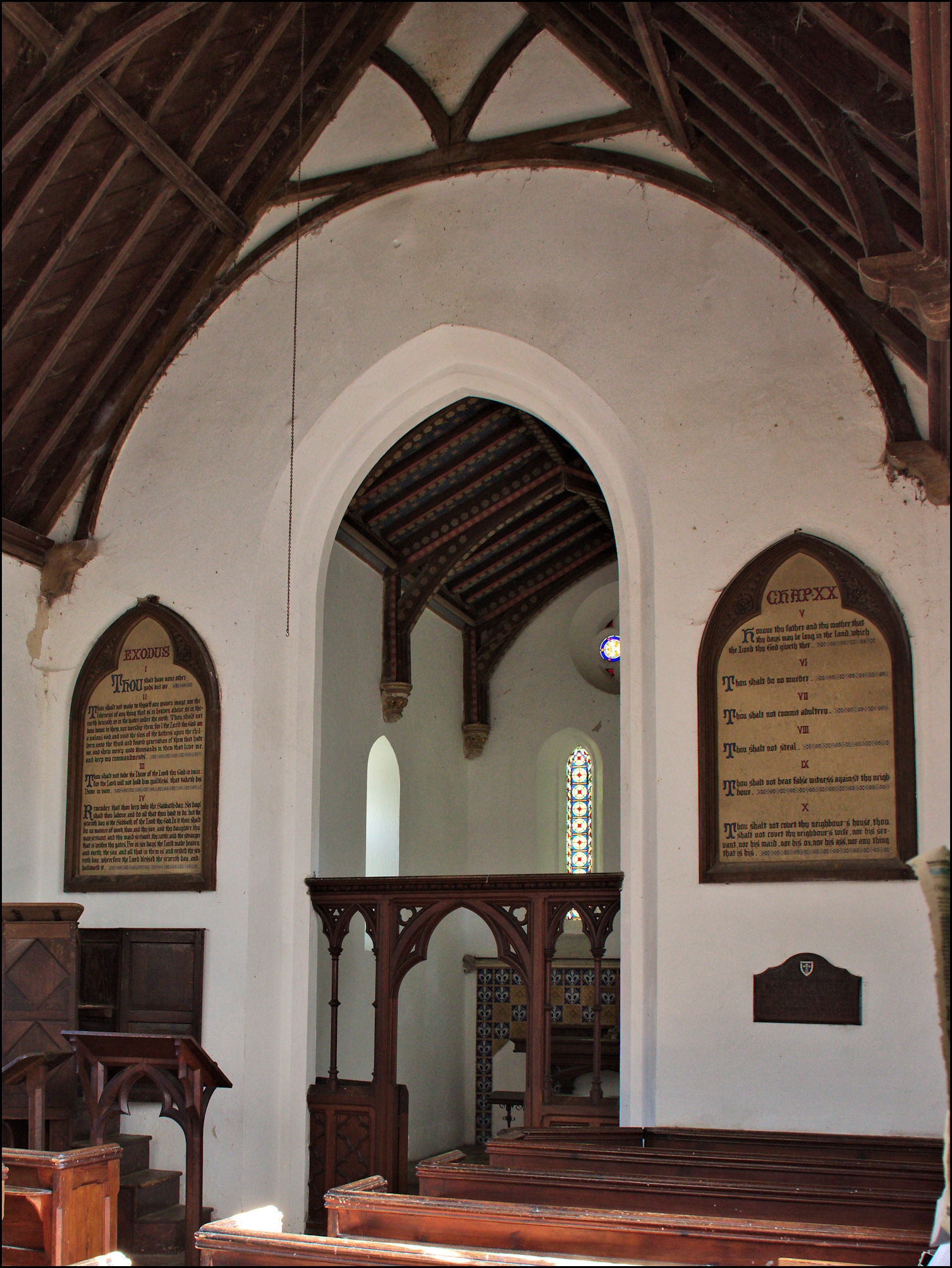


That must be the tiniest rood screen you'll ever see, and beyond it lies the smallest of chancels.


There may just be room for two people at the altar rail! Even so it's got a very pretty roof.


Despite its modest size and secretive location, a lot of effort has been put into the restoration and it's been suggested that it may be the work of Augustus Pugin, the leading architect of the Gothic Revival, who also designed the interior of the Houses of Parliament. If not Pugin, then his son, Edward.


There's a very nice window, which not only has strong colours but also has enough clear glass to let some light in and tempt us back outside.


And here we can gaze up at the tiny tower from the equally small churchyard which has just a half-dozen or so graves. One of them records the passing of Crosier Raine - no idea who he was, but I like his name!


There's just room for some flowers too.


Then we'll wander westwards for a mile or so through the forest. This is usually a good place to find Woodlarks, but not, alas, today.


We had to be content with watching the ponies. Then we reached a minor road, crossed a railway, crossed the bridge over the river and made our way into the village of Santon Downham. When we crossed the river we also passed into the county of Norfolk. The little church we saw has the double distinction of being the smallest church in Norfolk and the only church in Norfolk to be in the St Edmondsbury diocese in Suffolk.


Santon Downham is not a very extensive place either having a population of just 240. It's completely surrounded by Thetford Forest and was for many years the headquarters of the Forestry Commission in the area. I presume that many of the present population are still employed in forestry.


The above picture shows you what your SatNav will tell you is the "city centre" of Santon Downham. All you can see, apart from trees, is a bus shelter, some distant houses and the church.


It's an impressive building despite being nearly surrounded by the commercial forestry operations. 


There are some unusual carvings around the base of the tower which apparently record the initials of the wealthy donors who paid for it. But above the south door is this:


It seems to represent a wolf, whose tail has turned into a plant of some kind. Meanwhile he seems to be eating a similar plant. What can it all mean? Wolves and forests go together, I suppose, though this carving must be much older that the forest, which was largely planted in the twentieth century. Lets go around to the north door and see if we can go inside.


It all looks suitably rustic and the door is always open during daylight hours.


Inside you'll find a fairly typical village church. However the more you look the more you realise how it's been re-modelled and restored over the centuries. One of my favourite features is quite modern....


It's a stained glass window showing St Francis surrounded by local birdlife. At his feet is a Golden Pheasant, a breed which was introduced here and flourished for a while, though there are now very few of them. Mention them to Les and he'll tell you how he once saw one near here while I wasn't paying attention and missed it! 


Outside on the green there's a memorial  to the end of the Great War. Even in a tiny place like this three young men were lost in that terrible conflict. But we'll make our way back to the bridge and follow the river back to our starting point.


So here we are on the banks of the River Little Ouse. I really should have taken a picture of the bridge, which had its moment of fame back in the 1970s when Captain Mainwaring and the brave men of the Dad's Army TV series attempted to blow it up. Needless to say it's still standing!


Take care.


Thursday, 30 March 2023

A Stroll And A Stronghold

After completing our circuit around the "Mysterious Meres" (the previous post), we made a short journey to the town of Thetford and parked near Nuns' Bridges.


Nuns' Bridges span the rivers Thet, Little Ouse and a minor tributary. Britain's oldest track, the Icknield Way crossed the rivers at this point and the local Nunnery paid for the construction of the three bridges, then collected tolls from those who crossed - it was a common way to fund religious houses in Medieval times.


Many ducks and geese haunt the river today in search of any scraps from picnickers. But there is a ghost too, though perhaps not a very scary one. Little George Dacre, the step-son of the Duke of Norfolk, was staying nearby when he fell from his rocking-horse and died in 1569. The ghost of a small boy on a headless rocking-horse is said to haunt this place.


A footpath follows the Little Ouse upstream, past several fallen trees.


A Muntjac deer followed our progress with some interest.


The bridge leads to the British Trust for Ornithology's headquarters in the grounds of the old Nunnery. The BTO concerns itself mainly with research into bird population and migration, but it does also care for a small reserve here on the outskirts of Thetford.


The reserve consists of several types of habitat: the river and its floodplains, lakes formed in old gravel pits, wet woodland and open meadows.


Even if you don't see anything rarer than these two Canada Geese, it's still a pleasant place to wander.


A viewing tower overlooks the river and shallow scrapes designed to attract water birds.


We completed our stroll by returning on a well-made path through an area of (very) wet woodland and arrived back at Nuns' Bridges.


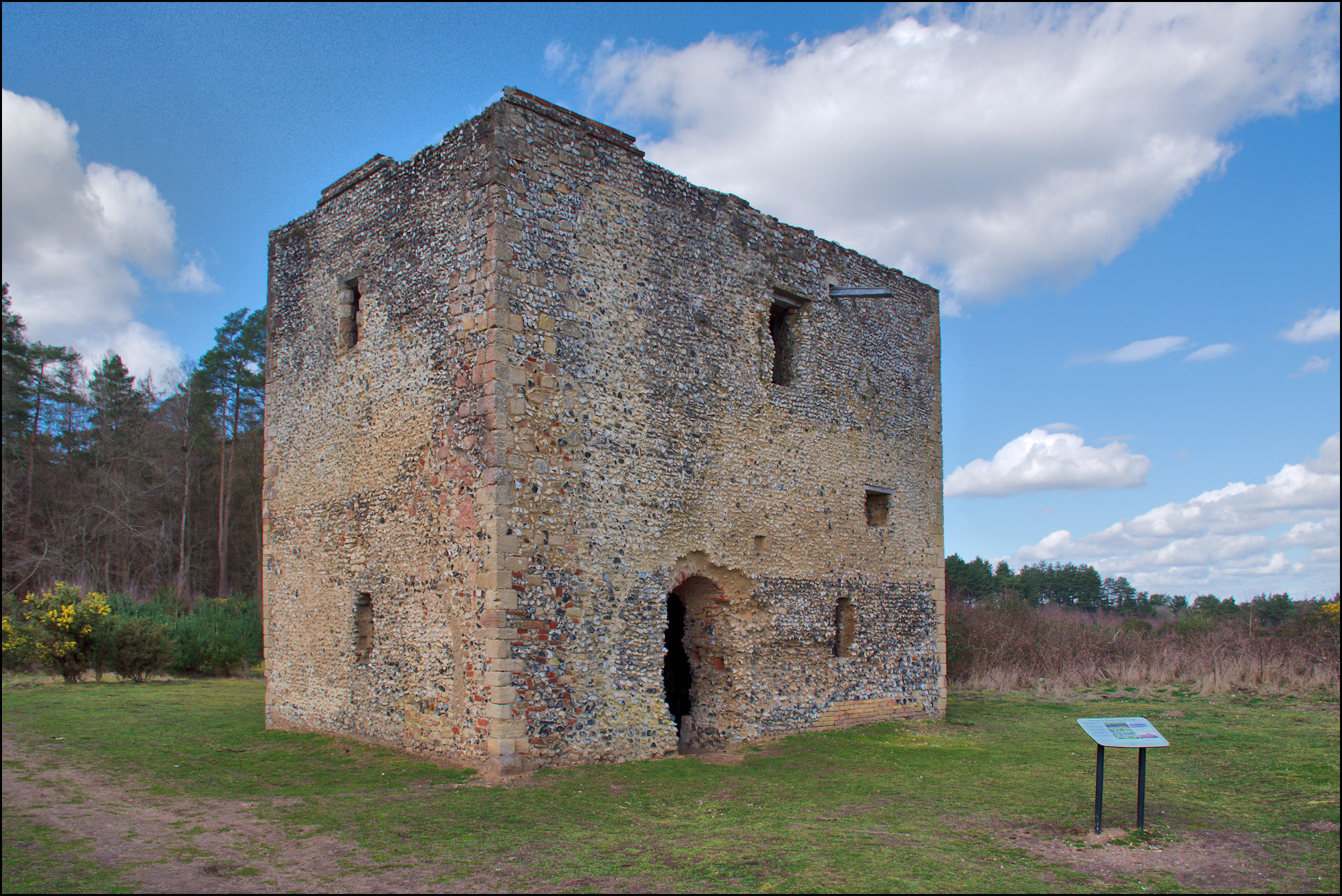
We sat in the car and ate our packed lunch under the watchful and covetous eyes of a pair of Canada Geese, before heading a short way out of Thetford in search of a small, brown tourism sign that we'd passed by on many previous occasions. Just a few steps from the rough sandy car park we spied this:


It looks very like the fortified "pele towers" that exist in the borderlands between England and Scotland, which protected farming families from the border raiders who terrorised the population on both sides of the border for centuries. But surely nothing like that went on in sleepy old Norfolk?


It turns out that Thetford Priory once kept something here that was, in those days, hugely valuable and which gangs of armed men came to steal. The man charged with looking after this precious asset lived in this fortress-like stronghold to prevent harm coming to him and his family. And what could this priceless treasure be?.......Rabbits!


Rabbits were much less common back then and their meat and fur were highly prized (and highly priced!). Thetford Warren Lodge, built around the year 1400, was the home of the warrener, who oversaw a walled area that was the size of modern-day Thetford, wholly dedicated to the raising of rabbits. Upstairs were the living quarters - you can still see where the fireplace was - while on the ground floor he stored his traps and other tools of the trade.


There's also some evidence for the Lodge was at times used as a base for hunting parties. And now we're off to hunt for something which I promised I'd show you many moons ago.


Take care.


Tuesday, 28 March 2023

Mysterious Meres

Right in the centre of East Anglia, straddling the counties of Norfolk and Suffolk, lie The Brecks or Breckland. It's an area with its own distinctive scenery which is the result of its unique geology.


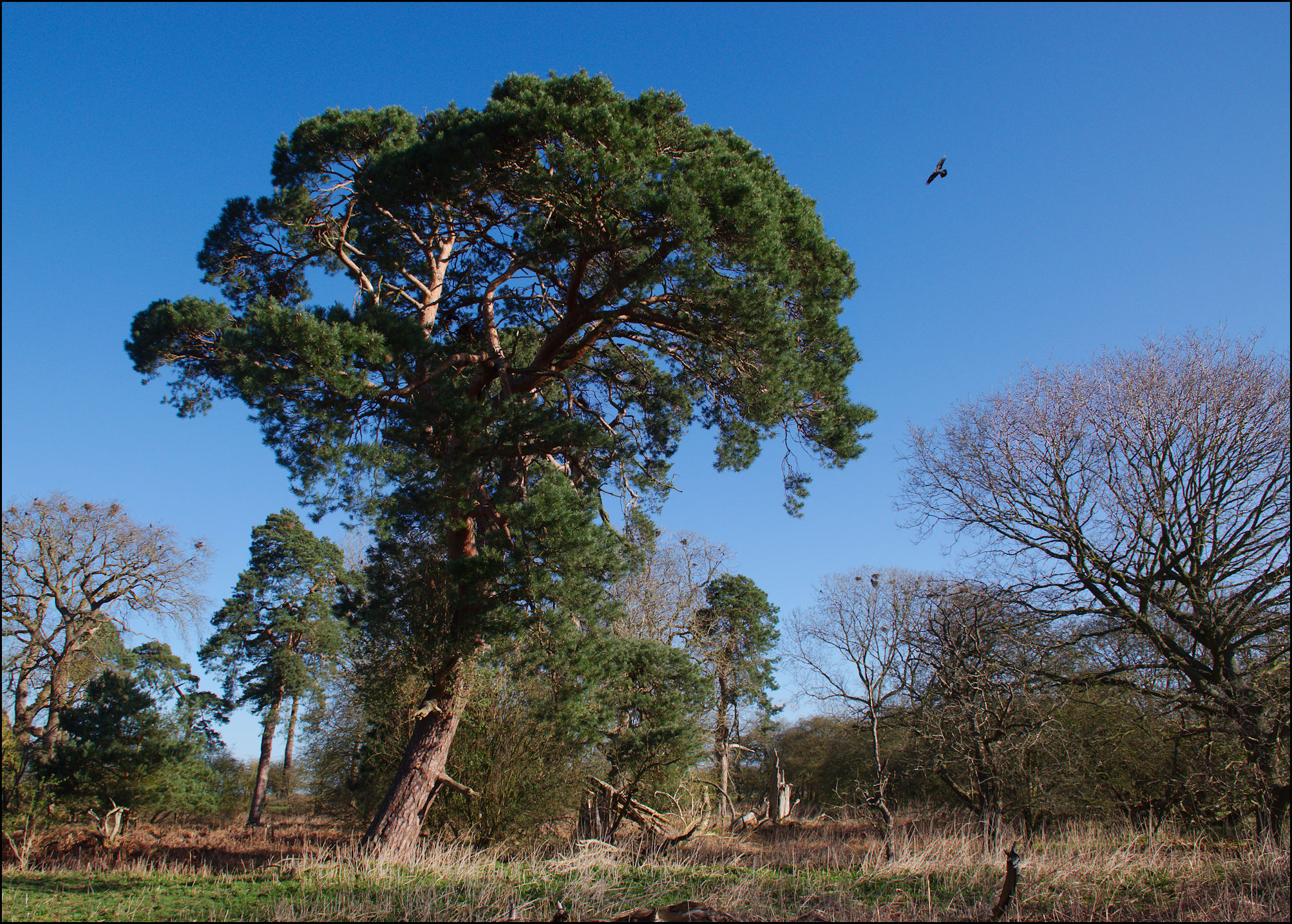
It's very much a man-made landscape, but its more nature-rich areas are typified by wide swathes of short-cropped grass. There's nothing mysterious about that however - it's the rabbits! On the horizon there's often a row of twisted Scots Pine trees, these are called "deal rows" and were planted long ago in an attempt to prevent the sandy soils being blown away.


We're at East Wretham Heath, the Norfolk Wildlife Trust's oldest nature reserve and a favourite haunt of Dr Sydney Long, the NWT's founder. There's a memorial stone beside the main trackway crossing the reserve.


But our title was "mysterious meres" so we'd better go and find them. There are several of these meres in Breckland, the most famous being Langmere, Ringmere and the Devil's Punchbowl. The first two of them are right here on East Wretham Heath. Or are they?


You see, these bodies of water come and go with mysterious irregularity; sometimes they are full and sometimes empty. Believe it or not, that's Langmere above, completely dried up apart from a small puddle, right in the centre of the picture. If you can see two tiny white dots beside the tiny pool, those are two Shelduck, presumably wondering where the water's all gone.


This wise old Rook may have seen it all before. The meres are known to geologists as "fluctuating meres". The hollows in which they sit (or don't sit) were formed when caverns, which formed in the chalk underlying the sandy soil, collapsed. Such meres have no streams running into or out of them, but are filled from below by the water held in the pores of the chalk. Their level rises and falls depending on the amount of water held in the chalk.


Just to add to their air of mystery, they are often empty after heavy rainfall, or full in times of drought. This is simply because the water moves very slowly through the chalk, causing a delay in their filling or emptying. That's cleared up that mystery then. Well, no, not entirely, as we shall soon see.


First we have to walk past the coniferous plantation at the edge of the reserve. A huge part of the Brecks was planted with these characterless blocks of trees after 1918, when Britain had found itself short of timber during the Great War. 


Then past some rather more unruly trees, reaching out towards the light. I suspect there was once a wood or plantation blocking the sunlight behind this row. And then we get to....


Mysteriously, Ringmere, another of these fluctuating meres, has plenty of water. And it's only a quarter of a mile (400 meters) from the dried-up Langmere! No wonder our early ancestors thought that the Devil must have a hand in all this.


And wildfowl just flock to these bodies of water. Even in this photo, taken straight into the sun, I can identify Shelduck, Mallard, Teal, Shoveler and two Egyptian Geese.


There surely can't be much in there for them to feed on. There are a few very specialised crustaceans who call this home, but they have to be able to survive when the water dries up. There are also some insects and some tiny plants which can tolerate these conditions and thrive in the absence of other competition. 


And a short distance away is Fenmere another very different body of water. There's a bird-watching hide on its banks....


Not perhaps the best concealment you'll ever find. Les, who has a quip for most occasions, thought it might have been built to allow for plenty of fresh air during the pandemic! 


Lead on, brother!


Take care.


Thursday, 23 March 2023

Marching On

It's March - and time is marching on. I've got out from time to time to go for a march too, though my style of locomotion these days is far from military, more of a dawdle. So apologies for the lack of posts this month, particularly if you've been worried about my absence.


Our local Little Egret has been wading around in the little chalk stream and was so intent on its next meal that it took no notice of me. 


But mostly I was concentrating on close-ups (and very close-ups) of what was down at my feet. Celandines began flowering a while ago.


But a lot of what I found down on the woodland floor still looks decidedly autumnal, like this pine-cone. Would you like a closer look?


I love the patterns that are revealed on close inspection.


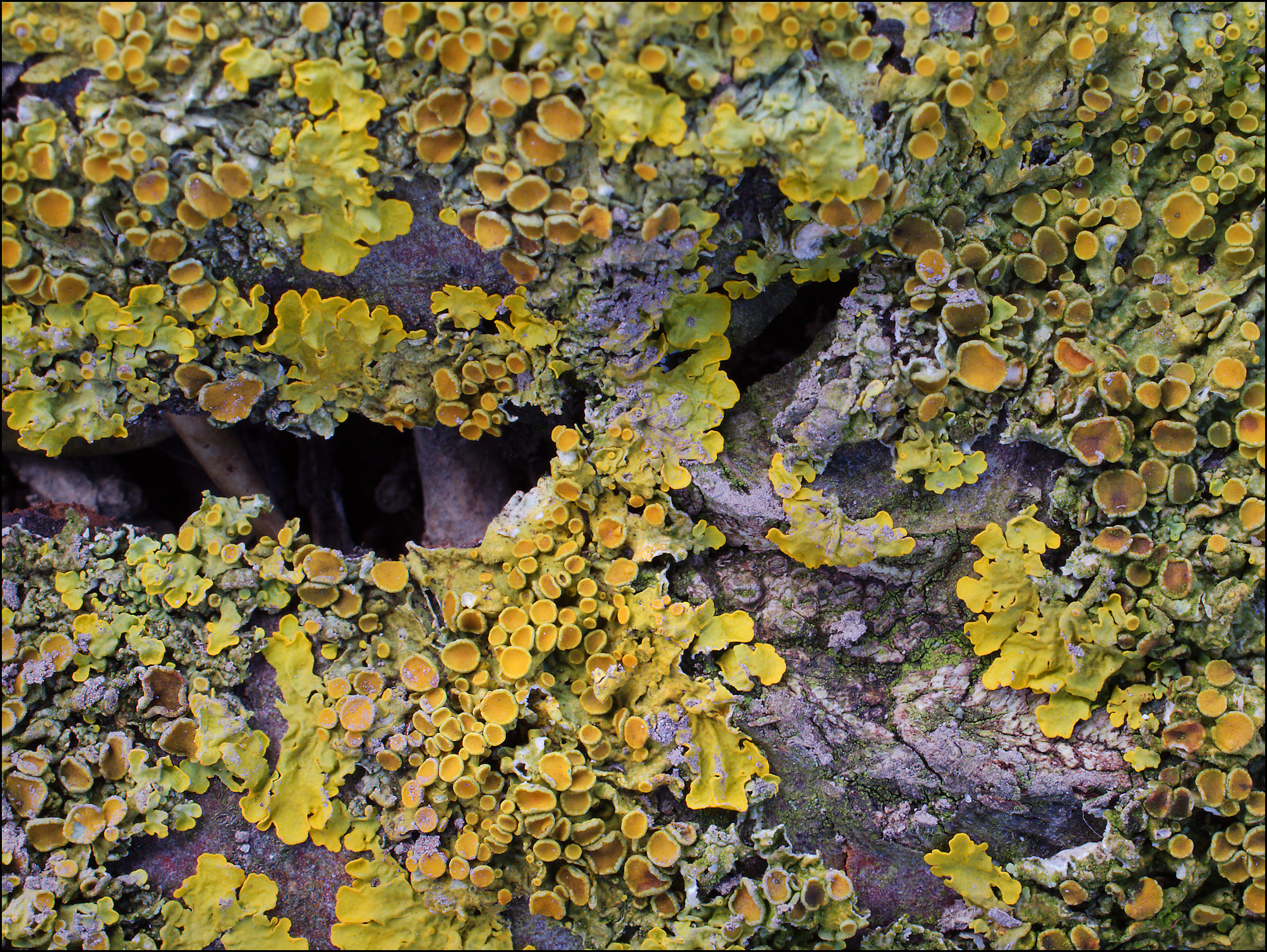
Lichens look like tiny flower gardens when you get down on your hands and knees to examine a piece of fallen tree bark.


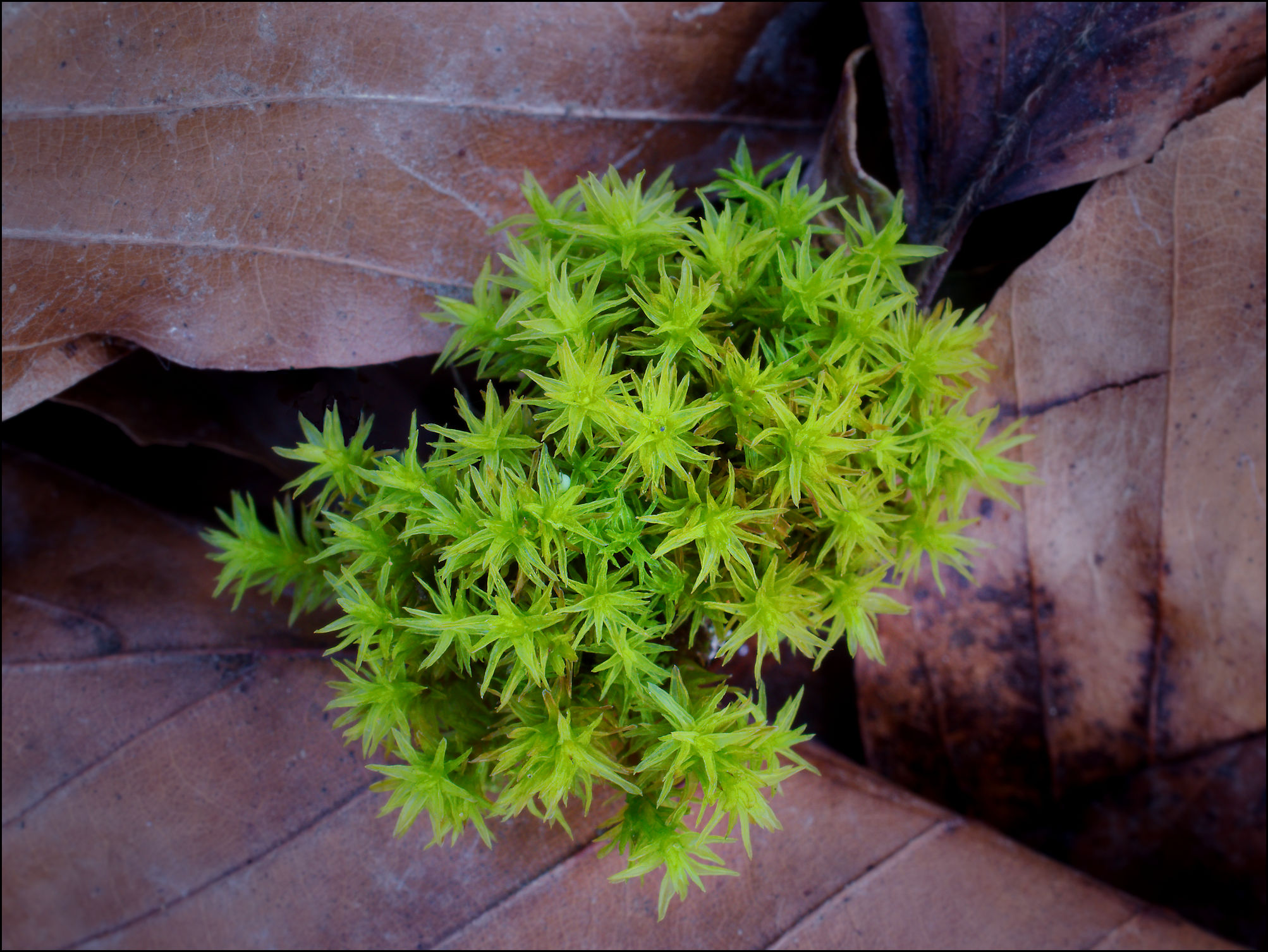
And here's a tiny sprig of moss pushing up between last year's leaves.


This little oak leaf has been hoisted aloft by the new growth coming up from below - mostly cow parsley, I think. But the weather hasn't always been as optimistic as the foregoing shots suggest.


The wrong sort of snow - for me at least. Although parts of the country had a picturesque covering of the white stuff, here it was wet sleety snow propelled on fierce north-easterly winds.


But the early blossoms seem to come whatever the weather.


I've often lamented the lack of quality and quantity of the street art around here. Then I saw this skillful portrait on an obscure wall of a local sports pavilion. For those of you who, like me, had no idea who this was, I can tell you that David Jolicoeur, aka "Trugoy the Dove", was a rapper who was one third of the hip-hop group De La Soul (I've heard of them). He passed away on February 12th of this year. I'm sure this must just be a personal tribute from a fan who lives locally.


I went back to the copious blossoms. But what would it look like if I photographed Trugoy through the out-of-focus branches.....


I desaturated the colours and cooled the image down a bit. I hope that works. I'd better find a cheery photo to end this brief post....


*******

Now, some time ago I introduced you to the amazing pianist, Derek Paravicini, who, as well as being a first rate musician, also happens to be blind and autistic (or neurodivergent, as we should now say). What I didn't tell you was that Derek is also a patron of the Amber Trust, a charity which exists to provide music lessons for young people with similar needs. One of their star pupils (though they're all stars to me) did rather well on national TV recently:


Well done, Lucy. In case you are wondering, the two men featured in the audience are the singer-songwriter Mika and the classical pianist Lang Lang. If you want to see more videos about the work of the Amber Trust they have their own YouTube channel. (Click on where it says "popular" to find the stories of some of the children who have been helped to fulfil their potential by the charity).


Take care.